


Choosing a Dental Clinic in Muscat
You can usually tell within the first five minutes whether a dental appointment in Muscat will feel calm and organized—or rushed and uncertain. It shows up in small things: whether your concerns are heard before instruments come out, whether the dentist explains what they’re seeing on your X-rays, whether sterilization and cleanliness are obvious rather than implied.
That first impression matters, but it shouldn’t be the deciding factor. Choosing the right dental clinic in Muscat is less about finding the closest clinic and more about matching your needs—routine care, cosmetic goals, orthodontics, or surgical treatment—to the right level of expertise, equipment, and follow-through. Here’s how to evaluate your options in a way that protects both your health and your confidence.
What “the right” dental clinic in Muscat depends on
Not every patient is looking for the same outcome. If your priority is a reliable cleaning and checkup, you’ll judge a clinic differently than someone planning veneers, Invisalign, or a crown on a front tooth.
A practical way to start is to name what you actually need in the next 3–12 months. Do you want to stop sensitivity? Replace old fillings? Fix crowding? Brighten your smile for work and social life? Or are you trying to solve a bigger issue—jaw pain, impacted wisdom teeth, gum inflammation, or repeated breakage of the same tooth?
When you’re clear about the goal, you can look for the right mix of general dentistry and specialist support. In many cases, the best experience comes from a team that can coordinate care in-house, especially when treatment moves from diagnosis to a multi-step plan.
Credentials and specialization: why they matter more than marketing
Dentistry is one of those fields where the “before-and-after” photo is easy to advertise, but the real quality shows up years later—when the bite still feels natural, the margins stay sealed, and the gums remain healthy.
A high-quality clinic will be transparent about who is treating you and why. General dentists handle a broad range of care, but there are times when a specialist-led approach protects you from shortcuts.
When you should consider a specialist-led plan
If you’re evaluating a dental clinic muscat residents recommend for more complex needs, look for access to specialists when:
You’re considering orthodontics (like clear aligners) and your case involves bite issues, significant crowding, or spacing that affects function as well as appearance. You may also benefit from specialist oversight if you’ve had previous orthodontic relapse.
You need oral surgery—such as wisdom tooth extraction, implant-related procedures, or treatment involving the jaw. An oral and maxillofacial surgeon is trained for complexity and risk management, including cases where anatomy, nerves, or medical history require extra caution.
You’re planning cosmetic dentistry that changes tooth shape, length, or bite. A smile makeover should be designed with long-term stability in mind, not just a fast cosmetic outcome.
Credentials aren’t about prestige for its own sake. International training and recognized affiliations can be a signal of structured clinical standards, ongoing education, and familiarity with advanced techniques and materials.
Technology isn’t a luxury—it’s how you reduce uncertainty
Modern equipment can change your experience in two important ways: it can make diagnosis more accurate, and it can make treatment more comfortable.
Digital imaging and well-executed radiography help your dentist identify issues earlier—small cavities between teeth, infections at the root, bone levels around teeth, or hidden fractures. In cosmetic and restorative cases, precise diagnostics help ensure the final result fits your face, your bite, and your expectations.
Technology also supports safety. When a clinic has clear sterilization protocols, a clean environment, and a well-organized treatment flow, you spend less time wondering what’s happening and more time feeling cared for.
If you’re anxious about dental work, ask directly what comfort options are available. A patient-first clinic will take that question seriously and explain how they reduce stress during treatment—whether that’s through gentle technique, clear pacing, or simply making sure you have a plan you understand before anything begins.
The consultation: what a good clinic should do before treatment
A trustworthy clinic does not rush to “fix.” It diagnoses, explains, then proposes.
A strong first visit typically includes a review of your medical and dental history, a focused exam, appropriate imaging when needed, and a conversation that connects findings to your goals. If you came in wanting whiter teeth but the real issue is enamel wear or gum recession, the right dentist will explain that nuance and offer options that make sense.
Look for clarity, not pressure
You should leave the consultation knowing:
What the diagnosis is (in plain language), what the risk is if you wait, and what the recommended next steps are. You should also understand alternatives. In many cases there’s a trade-off: a faster cosmetic option versus a more conservative plan, or a lower-cost restoration versus one designed for longer durability.
This is where premium care quietly proves itself. The plan is tailored, staged appropriately, and priced transparently—without surprises later.
Cleanings, fillings, crowns: how to judge everyday dentistry
Routine care can still be a differentiator. A careful cleaning, early cavity detection, and high-quality fillings can prevent the “why am I always back here?” cycle.
For restorations like fillings and crowns, technique and materials matter. Your dentist should explain what they’re using and why, especially for teeth that handle heavy chewing or are visible when you smile.
Crowns and cosmetic restorations should be evaluated not only for color match but also for bite harmony. If your bite is off by even a small amount, you might notice jaw fatigue, headaches, or wear over time.
Cosmetic dentistry in Muscat: beautiful should still be healthy
A cosmetic smile change can be life-enhancing. It can also go wrong when teeth are over-prepared, gum health is ignored, or the design doesn’t match the patient’s facial features.
When you’re exploring cosmetic dentistry, ask how the clinic designs the outcome. Do they discuss proportion, tooth display, and how your smile fits your face? Do they explain what’s reversible (like whitening) versus irreversible (like certain veneer preparations)?
A conservative philosophy often delivers the most natural results. Whitening may be enough. Minor reshaping or bonding can sometimes create a major improvement without aggressive drilling. For veneers or crowns, a careful plan protects tooth structure while still meeting aesthetic goals.
Invisalign and alignment: it’s not just about straight teeth
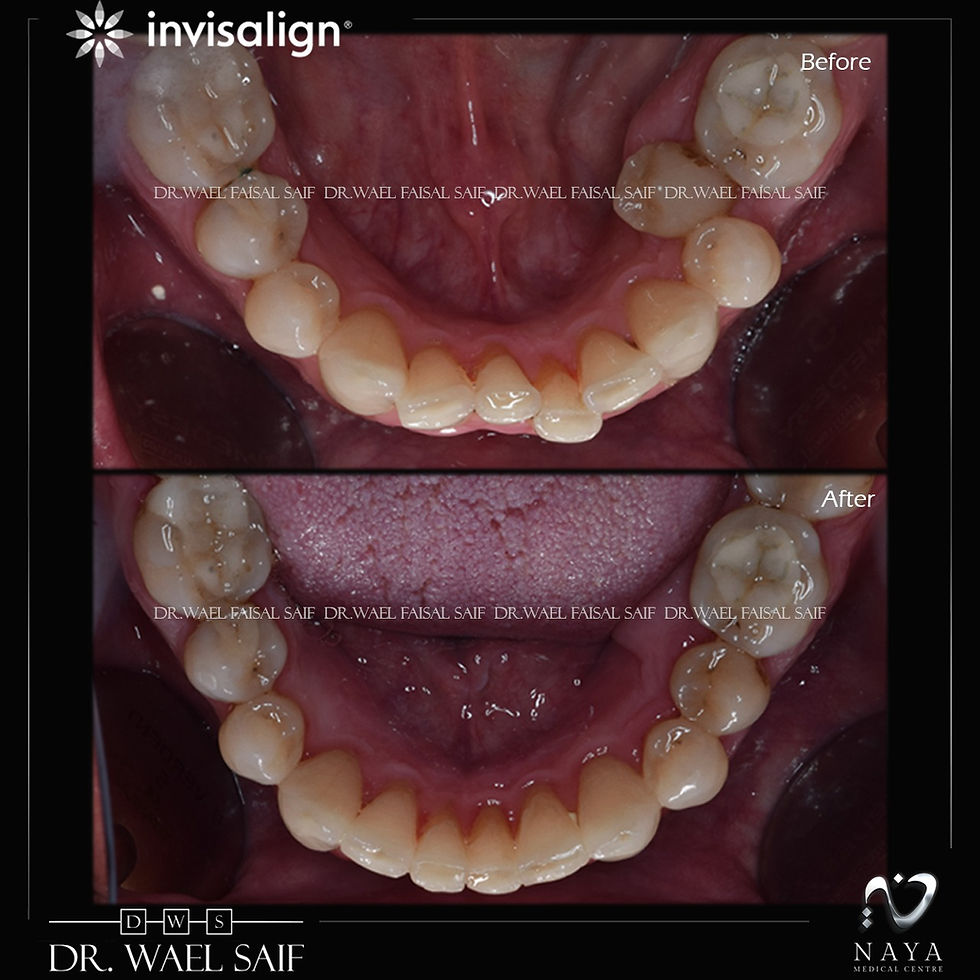
Clear aligners are popular because they’re discreet and fit into busy schedules. But aligners are still orthodontics—moving teeth through bone. That means diagnosis and supervision matter.
A clinic that offers Invisalign or similar treatment should assess not only crowding but also bite function, gum health, and whether any restorations will affect tooth movement. In some cases, patients need preparatory treatment first—cleaning and gum stabilization, replacing failing fillings, or addressing cavities—before aligners begin.
If you’re a parent scheduling orthodontic care for a teen, ask about timing, compliance expectations, and how progress is monitored. The best plans are realistic about lifestyle and include structured follow-up.
Oral surgery and complex cases: where coordination protects you
Some dental problems don’t fit into a single appointment. Impacted wisdom teeth, infections, jaw-related pain, and implant planning are examples where you want calm, methodical care.
Look for a clinic that can coordinate between general dentistry and surgical expertise, especially if you have medical conditions or take medications that affect bleeding, healing, or immunity. Coordination reduces delays and helps ensure that each step—extraction, healing, restoration—is planned as part of one clinical pathway.
Comfort, communication, and bilingual care: the “soft” factors are clinical too
A comfortable, clean environment isn’t just a preference; it affects how consistently people show up for care. If you’ve ever postponed a filling because you were nervous, you already know that comfort is part of prevention.
Pay attention to communication style. Does the team explain procedures in a way that lowers anxiety? Are you given time to ask questions? Do they outline how long appointments typically take and what recovery feels like afterward?
In Muscat, bilingual service (English and Arabic) can be a genuine advantage for families and expatriates alike. Precision in language reduces misunderstanding, especially around consent, aftercare instructions, and medication guidance.
A single destination for dentistry and aesthetics: when it makes sense
Some patients prefer keeping dental and aesthetic services separate. Others want one coordinated destination for smile and skin goals because it reduces scheduling friction and keeps care consistent.
If you’re pursuing a smile transformation—whitening, veneers, aligners, or restorative upgrades—having access to cosmetic skin services and dermatology in the same medical setting can be convenient, especially when you’re planning around events, work travel, or family obligations.
What matters is that the clinic doesn’t blur the line between beauty and medicine. You want a center that treats aesthetic outcomes as part of safe, clinician-led care, with clear boundaries and appropriate consultation.
For patients in Muscat who value specialist-led dentistry alongside dermatology and laser-based cosmetic services, Naya Medical Centre is designed around that integrated model, with an emphasis on international credentials, modern equipment, and a comfort-forward patient experience.
How to book with confidence
Once you’ve narrowed your shortlist, trust the consultation process. Choose the clinic that gives you a clear diagnosis, shows you the evidence, explains options without pressure, and treats your comfort like a clinical priority.
The most reassuring sign is simple: you leave feeling you could repeat back the plan in your own words—and you’d still agree with it after a good night’s sleep.


Comments