


Choosing a Dermatology Clinic in Muscat
Skin concerns rarely arrive at a convenient time. It might be acne flaring a week before a work event, a patch of eczema that suddenly won’t calm down, or pigmentation that’s become more noticeable after months of sun exposure. In Muscat—where heat, humidity, air conditioning, and strong daylight can all influence the skin—finding the right dermatologist isn’t just about aesthetics. It’s about comfort, confidence, and making sure you’re treating the underlying issue safely.
What people really mean by “dermatology clinic muscat”
When someone searches for a “dermatology clinic muscat,” they’re often looking for two things at once: medically sound diagnosis and treatments that deliver visible improvement. Those needs overlap, but they’re not identical.
A medical dermatologist focuses on diagnosing and treating skin disease—acne, rosacea, eczema, psoriasis, infections, suspicious moles, hair loss, and nail disorders. An aesthetic (cosmetic) dermatologist focuses on concerns like uneven tone, melasma, fine lines, texture, scars, and age-related changes, often using devices and injectables. The best experience is usually at a clinic that can do both, because real skin results often require medical insight plus modern techniques.
That combination matters in Muscat. Sun exposure and heat can aggravate pigmentation. Humidity can worsen acne for some people, while constant air conditioning can dry and sensitize skin for others. Add in shaving irritation, friction from sports, or frequent travel, and it’s easy to see why a “one-size-fits-all” approach doesn’t hold up.
Start with your goal: diagnosis, improvement, or both
Before you choose a clinic, clarify what you want solved. If you’re dealing with a new rash, itching, hair shedding, or anything that looks unusual, you want a dermatologist who prioritizes diagnosis first. If you’re trying to improve scarring, pores, or skin tone, you want a clinic that pairs dermatologist-led planning with device-based treatments and a realistic timeline.
Many patients don’t fit neatly into one category. Acne is the classic example: it’s a medical condition, but patients also care about scars, redness, and post-acne marks. The most efficient care plan usually treats active acne first (to stop new lesions), then transitions into scar and texture strategies.
A good clinic will tell you when it’s too early for certain procedures. For instance, aggressive resurfacing while acne is uncontrolled can lead to more irritation and prolonged redness. On the other hand, delaying all device treatments for too long can be discouraging when there are safe options that support healing. The right answer depends on your skin type, sensitivity, and the clinician’s assessment.
What a high-quality first visit should feel like
You don’t need a dramatic “before-and-after promise” to know you’re in the right place. You need a structured consultation.
A strong dermatologist visit typically includes a focused history (when it started, what makes it better or worse, what you’ve tried), a skin exam in good lighting, and a clear explanation of the diagnosis or likely causes. If you’re pursuing cosmetic improvement, you should also get a discussion of your skin type, your pigment risk, downtime tolerance, and the trade-off between faster results and gentler, gradual change.
You should leave with a plan that makes sense in real life—how to use the products, what to expect in the first two weeks, and when to come back. If the plan includes procedures, you should understand why that device or technique is being used, what it can and cannot do, and how the clinic manages comfort.
Credentials matter—but so does specialization
In dermatology, training and scope are not interchangeable. If you’re choosing a clinic for medically necessary care, you want a specialist dermatologist who diagnoses and manages skin disease routinely. If you’re choosing a clinic for lasers and cosmetic procedures, you also want a clinician who understands energy-based devices, skin of color considerations, pigment risk, and how to avoid complications.
It’s reasonable to ask who performs the procedure and who sets the treatment plan. In premium clinics, dermatologist-led planning is the standard, even when trained clinical teams support the treatment journey.
If you’re an expatriate or you prefer bilingual care, communication matters more than most people realize. Dermatology plans can be detail-heavy—timing, layering, sun protection, and what to stop before a procedure. A clinic that can explain instructions clearly in English and Arabic reduces mistakes, irritation, and disappointment.
The technology conversation: what you actually need
Patients often arrive asking for a specific laser or a trending treatment name. Sometimes that’s useful; often it’s limiting. The device is a tool, not the diagnosis.
Here’s the practical way to think about it:
Acne and inflammation typically improve with a combination of prescription-grade topicals/orals (when appropriate), gentle barrier support, and procedures only when the skin is ready.
Pigmentation and melasma require a careful approach. Heat and inflammation can worsen melasma, so the “strongest laser” is not automatically the best choice. For many patients, success comes from controlled brightening protocols, strict sun protection, and selective procedures that don’t trigger rebound pigment.
Acne scarring and texture can respond well to resurfacing technologies and collagen-stimulating procedures, but the plan should match your scar type (icepick, rolling, boxcar), your skin tone, and your downtime needs.
Vascular redness and rosacea benefit from strategies that reduce triggers, support barrier function, and use targeted treatments when indicated.
Laser hair reduction is straightforward for many patients, but outcomes still depend on hair color, skin tone, hormonal factors, and consistent scheduling.
If a clinic immediately pushes a single device for every complaint, that’s a red flag. A modern dermatology practice should be able to explain options, risks, and why one approach fits you better.
Safety standards that protect your skin (and your schedule)
Good dermatology is careful dermatology. In Muscat’s climate, post-procedure care is not optional—heat and sun can prolong redness and increase pigment risk if patients aren’t well-prepared.
A clinic worth trusting will be clear about pre-treatment instructions (especially around retinoids, exfoliants, and sun exposure), pain management or numbing when appropriate, and aftercare that supports healing. They should also have a plan for side effects—what is normal, what isn’t, and how quickly you can be seen if something worries you.
Hygiene and cleanliness are non-negotiable. In a premium setting, you should expect a comfortable, clean environment, organized patient flow, and staff who take time with consent, photography (when relevant for tracking), and privacy.
Realistic timelines: when you should expect change
Skin is biological tissue. Even the best treatments take time to show results because inflammation needs to settle and collagen remodeling is slow.
Acne typically needs at least 8–12 weeks to judge whether a regimen is working, though you may see early improvement sooner.
Pigmentation often improves in stages. You may notice an initial brightening, followed by gradual evening of tone, especially when sun habits change.
Texture and scarring improvements can take several months and multiple sessions. Patients who do best are the ones who commit to a plan, keep follow-ups, and avoid “treatment hopping” every few weeks.
The trade-off is downtime. Some procedures offer more noticeable changes per session but come with visible peeling or redness. Others are gentler with minimal downtime but require patience. A good clinic helps you choose based on your work schedule, travel plans, and tolerance for temporary redness.
Questions worth asking before you book
You don’t need to interrogate the clinic, but you do deserve clarity—especially if you’re investing in devices, injectables, or multi-session plans.
Ask who will assess you and who will perform the procedure. Ask how they decide between options, what results are typical for your skin type, and what the clinic does to reduce pigment risk. If you’ve had reactions before, ask how they handle sensitive skin and whether they recommend patch testing or a slower ramp-up.
If cost matters (and for most people, it does), ask what’s included. Some treatment plans bundle follow-ups and post-procedure products; others price each component separately. Transparent pricing is part of patient-first care.
Why integrated care can be a quiet advantage
Many patients are surprised by how often skin concerns overlap with dental and facial aesthetics. A major acne flare can affect confidence just as much as a smile concern. Some patients plan skin treatments around orthodontic timelines, weddings, or professional photos.
An integrated clinic environment can make scheduling easier and care more coordinated—especially for busy professionals and families who want one modern destination instead of multiple disconnected appointments across town.
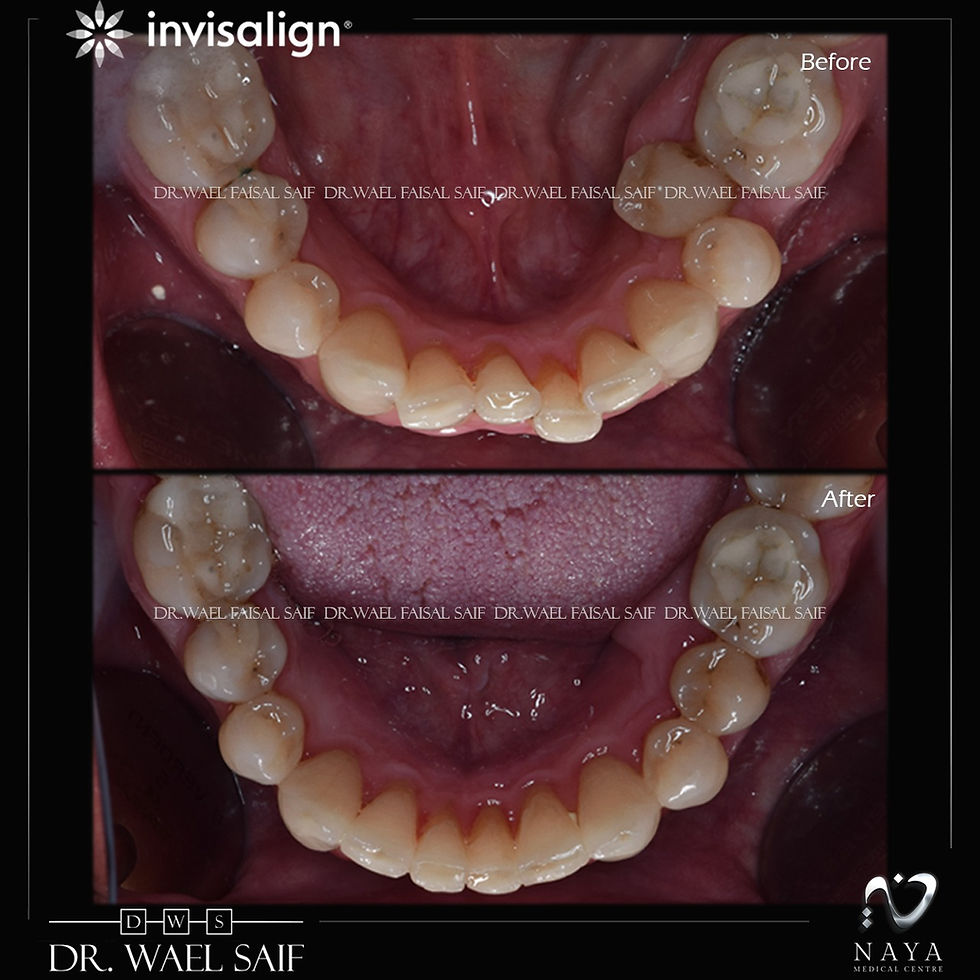
At Naya Medical Centre, patients in Muscat can access specialist-led dermatology and cosmetic skin services alongside dental and orthodontic care in a modern outpatient setting, with an emphasis on comfort, cleanliness, and technology-supported treatment planning.
A final way to choose with confidence
If you’re comparing options, pay attention to how the clinic thinks, not just what it offers. The right dermatology clinic will make you feel looked after without overselling, and it will take your skin seriously—your history, your environment, your schedule, and your goals.
Your skin doesn’t need a miracle. It needs a clear diagnosis, a plan you can follow, and a team that treats progress as a process—not a promise.


Comments