


Choosing a Medical Centre in Muscat
You usually don’t start searching for a medical centre in Muscat on a random Tuesday with plenty of time. It’s more often a toothache that won’t let you sleep, a skin flare that’s getting worse in the heat, or a long-delayed goal—straighter teeth, clearer skin, fewer signs of sun damage—that suddenly feels urgent.
Muscat has excellent care options, but “good” can mean very different things depending on what you need. A family looking for routine dental cleanings has different priorities than someone considering Invisalign, laser resurfacing, or oral surgery. The right choice comes down to a few practical questions: who will treat you, what technology supports the care, how the clinic handles safety and comfort, and whether the services are coordinated so you’re not bounced between providers.
What “medical centre” means in Muscat (and why it matters)
A medical centre in Muscat can range from a small, general clinic to a modern, multi-specialty outpatient center with specialist-led departments. For patients, the key difference isn’t the sign outside—it’s whether you’re seeing a provider with the specific training for your procedure.
For example, a general dentist may be excellent for preventive care and basic restorations, but orthodontics is a discipline of its own. The same is true in skin and aesthetics: acne management, pigmentation treatment, injectables, and laser-based procedures each require a different level of assessment and technical precision. If your concern is medically straightforward, a general approach can be appropriate. If it’s complex, cosmetic, or carries higher risk, specialist oversight is where safety and outcomes tend to improve.
Start with the provider, not the price
It’s tempting to compare clinics by promotions or package pricing, especially for cosmetic services. The better starting point is the clinician who will actually perform the procedure and the standards they work under.
Look for clear, specific credentials—board pathways, international training, university-based specialization, and documented experience in the procedure you’re considering. A credible clinic will make this easy to find, not vague. “Experienced” is not the same as “specialist-led,” and “cosmetic” is not the same as “medically appropriate for your skin type.”
This matters because the trade-offs are real. Lower-cost providers may still deliver good care for certain services, but as complexity increases—deep cavities, gum issues, bite problems, scar-prone skin, pigmentation in deeper skin tones, or combination treatments—the cost of a poor plan isn’t just financial. It’s time, discomfort, and sometimes an outcome that takes months to correct.
A medical centre Muscat patients trust usually shares these signs
The clinics people return to (and recommend) tend to get the fundamentals right in visible, consistent ways.
First, they prioritize diagnosis before treatment. Whether you’re talking about a smile makeover or a dermatology plan, you should feel that the clinician is mapping a path, not selling a menu.
Second, they’re transparent about what’s realistic. If a provider promises perfect results quickly, that’s usually a red flag. Good clinicians explain timelines, maintenance, and what could limit results—like enamel thickness for cosmetic dentistry or hormonal triggers for acne.
Third, they’re built for outpatient comfort: clean rooms, modern sterilization workflows, and a pace that doesn’t feel rushed. For many adults and kids, stress reduction is not a luxury. It affects whether people keep appointments, complete treatment, and tolerate necessary procedures.
Dentistry in Muscat: what to look for beyond “cleaning and filling”
Dental care is one of the most common reasons people search for a medical centre in Muscat, and it spans everything from basic prevention to highly technical rehabilitation.
If you’re booking routine dentistry—checkups, cleanings, simple fillings—look for a clinic that emphasizes preventive planning. The best appointments don’t just remove plaque; they spot early gum inflammation, bite wear, or habits like grinding that can quietly damage teeth.
If you’re considering cosmetic dentistry (whitening, bonding, veneers, crowns), ask about the diagnostic steps. High-quality cosmetic outcomes depend on smile design, bite assessment, and material selection that fits your lifestyle. A natural-looking result is usually not an “instant” decision; it’s a carefully calibrated one.
For more complex needs—root canal retreatments, surgical extractions, wisdom teeth, or jaw-related issues—specialist involvement matters. Oral and maxillofacial surgery is not simply “advanced dentistry.” It’s a distinct surgical discipline with different training, especially when procedures sit close to nerves and sinus anatomy.
Invisalign and orthodontics: convenience is great, supervision is better
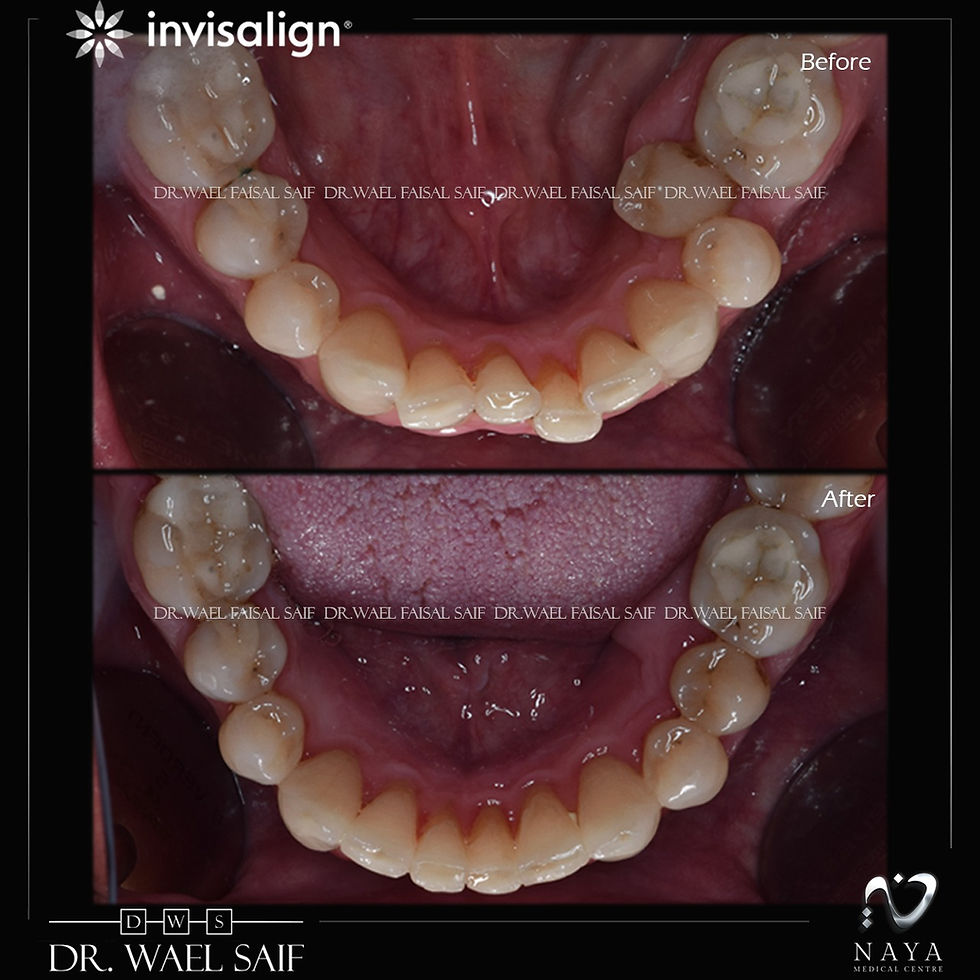
Clear aligners have changed orthodontics for adults and teens in Muscat. They’re discreet, removable, and often easier to fit around work and school schedules. But aligners still move teeth through biological tissue, and that requires planning.
A strong Invisalign experience includes a thorough exam, a clear map of expected movement, and regular monitoring to catch issues early—tracking problems, bite changes, or spacing that needs refinements. If you’re quoted a “fast” plan without details, ask how progress is measured and what happens if mid-course corrections are needed.
Dermatology and skin aesthetics: the safest plan is the personalized one
Muscat’s climate, sun exposure, and lifestyle factors can influence common skin concerns: hyperpigmentation, acne, texture, melasma, and early signs of photoaging.
Dermatology-led care starts with identifying drivers—hormones, inflammation, product irritation, or sun sensitivity—then selecting treatments that match your skin type and downtime tolerance. The right clinic won’t push a single hero treatment for everyone. Instead, you’ll hear a rationale: why a topical regimen is needed before procedures, why certain lasers are spaced out, or why a conservative approach protects skin barrier health.
Cosmetic skin services can be very effective, but they’re not “one-size-fits-all,” especially in diverse skin tones. The trade-off to understand is intensity versus risk. Higher-energy treatments may deliver faster changes in texture or pigmentation, but they can also increase the chance of post-inflammatory hyperpigmentation if settings, prep, and aftercare aren’t handled precisely.
Laser treatments: choose clinics that treat safety as the main feature
Laser hair removal, resurfacing, and pigment-targeting treatments are popular in Muscat because they offer measurable results and predictable scheduling. Still, lasers are medical devices, and the outcomes depend on operator skill, device selection, and patient suitability.
A credible laser program includes a consultation that covers skin history, sun exposure, medications, and prior reactions. You should also be told what to do before and after sessions—especially around sun avoidance and skincare. If a clinic seems casual about contraindications, that’s not “easygoing”; it’s a risk.
Technology matters here, but it’s not just about having an expensive machine. It’s about having the right device for the right indication, used by trained clinicians who adjust parameters based on your skin response. When that’s done well, you get the benefit people want: safe, effective improvement without unnecessary irritation or prolonged downtime.
Why multi-specialty care can be a real advantage
For many patients, the most efficient path is coordinated care under one roof—especially when goals overlap. Someone might want Invisalign and whitening, but also struggles with jaw tension and headaches from clenching. Another patient may be addressing acne scars while also planning a professional makeover that includes a brighter smile.
Multi-specialty centres can reduce friction: fewer referrals, consistent records, and a more coherent plan. The trade-off is that you should still confirm each area is led by qualified specialists, not simply offered as an add-on.
One example of a modern, multi-specialty option in Muscat is Naya Medical Centre, which brings together dentistry, specialist orthodontics (including Invisalign), oral and maxillofacial surgery, dermatology, and laser-based aesthetic services in a single appointment-based outpatient setting.
What to ask when booking (so you don’t waste a visit)
A first visit should leave you clearer, not more confused. When you call or message a medical centre in Muscat, it’s reasonable to ask who you’ll see, what the consultation includes, and whether the clinician leading your care is a specialist for that service.
If your concern is cosmetic, ask how the clinic approaches “natural” outcomes and what maintenance looks like. If it’s medical—pain, infection, sudden changes—ask how quickly you can be assessed and what diagnostics are available. If you’re booking for a child or a nervous adult, ask about comfort measures and how the team supports anxious patients without rushing them.
Language also matters. Bilingual care (English and Arabic) isn’t just a convenience; it affects consent, aftercare understanding, and overall confidence—particularly for procedures with detailed instructions.
The choice that usually feels right
The best medical centre is often the one where you feel two things at once: clinically safe and personally cared for. You’re not pushed, you’re not rushed, and you’re not left guessing who is responsible for your outcome.
If you’re deciding between clinics, trust the signals you can verify—specialist credentials, clarity of treatment planning, modern safety standards, and how carefully your questions are answered. When a team treats your concerns seriously, explains trade-offs honestly, and sets expectations with care, you can stop “shopping for services” and start feeling confident about the result you’re working toward.


Comments