


Choosing a Wisdom Tooth Clinic in Muscat
You can usually tell a wisdom tooth problem before you see it. It is the dull pressure near the back molars that turns into sharp pain when you chew, the swollen gum flap that catches food, or the headache that seems to sit in your jaw joint. In Muscat, where busy work schedules and family commitments make it tempting to “wait and see,” wisdom teeth have a way of escalating at the worst time - right before travel, a big project, or exams.
The good news is that modern wisdom tooth removal is predictable and, for most patients, far more comfortable than they expect. The key is choosing the right setting and the right clinician for your specific case.
Why wisdom teeth become a problem (and when they do not)
Wisdom teeth are the last molars to develop, typically appearing in the late teens through the 20s. Some people have enough space and the teeth erupt fully, stay cleanable, and never cause issues. Others have partial eruption or impaction, where the tooth is trapped under gum or bone or comes in at an angle.
The trouble is less about the tooth existing and more about the environment around it. Partially erupted wisdom teeth commonly create a pocket that traps bacteria and food. That can lead to repeated inflammation (pericoronitis), unpleasant taste, swelling, and pain that flares every few months. Impacted teeth can press on the second molar, increasing the risk of decay, gum disease, or root damage on the healthy tooth you actually rely on.
Your dentist may recommend monitoring when the wisdom tooth is fully erupted, easy to clean, and not causing decay or gum problems. Extraction is more likely when there is recurrent infection, cavities that cannot be predictably restored, damage to the neighboring molar, cyst formation, or pain and swelling that keep returning.
What a high-quality wisdom tooth extraction clinic in Muscat should offer
Searching “wisdom tooth extraction clinic muscat” brings up many options, but the right choice depends on more than location and price. Wisdom tooth removal is a minor procedure for many patients, but it is still surgery. A clinic should be set up for safe decision-making, high-quality imaging, comfort-focused anesthesia, and structured aftercare.
The right clinician for your level of difficulty
Some wisdom teeth are straightforward. Others are deeply impacted, close to nerves, or positioned in a way that increases the risk of complications. A clinic should be transparent about who performs the procedure and whether an oral and maxillofacial surgery specialist is involved for surgical extractions.
If your case is complex, specialist-led care matters. It is not just about removing the tooth - it is about removing it with minimal trauma, protecting the adjacent molar, and planning the approach around your anatomy.
Imaging and planning, not guesswork
A proper assessment begins with a clinical exam plus dental imaging. At minimum, this may include a panoramic X-ray; in some cases, 3D imaging helps evaluate the tooth’s relationship to nearby nerves and sinus spaces.
Good planning reduces surprises. You should walk away from the consultation understanding whether the extraction is simple or surgical, what the expected appointment time is, and what recovery typically looks like for your specific tooth position.
Comfort options that match your anxiety level
One patient might be fine with local anesthesia and a calm explanation. Another might have intense dental anxiety or a strong gag reflex. A patient-first clinic does not treat these concerns as inconvenience. It discusses anesthesia options clearly, explains what you will feel (pressure is normal; sharp pain is not), and builds a plan that keeps you comfortable without overpromising.
Clean technique and clear aftercare
The clinic’s standards should be visible: sterile setup, careful soft-tissue handling, and instructions that are specific, not generic. You should know exactly what to do in the first 24 hours, which symptoms are normal, and what requires a call.
What actually happens during wisdom tooth removal
Most patients fear the unknown more than the procedure itself. In reality, a well-run appointment is organized and controlled.
First, the tooth and surrounding tissues are numbed thoroughly. If the tooth is erupted, the dentist may be able to loosen and remove it similarly to a standard extraction. If it is impacted, the clinician may make a small incision, remove a limited amount of bone, and section the tooth into pieces to reduce force and protect the surrounding area. If stitches are needed, they are typically small and may dissolve on their own.
You will feel pressure and movement, but you should not feel sharp pain. If you do, you should signal immediately so anesthesia can be supplemented.
Recovery: what to expect day by day
Recovery varies depending on whether the extraction was simple or surgical, your age, and how inflamed the area was before the procedure. Most adults in Muscat want the practical answer: “How long until I can work normally?” The honest response is: it depends, but there are reliable patterns.
For many patients, the first 24 hours are the most important for controlling bleeding and swelling. Expect some oozing and a tight, numb feeling that gradually wears off. Swelling commonly peaks around day two or three, then improves. Jaw stiffness is normal, especially after surgical removal.
Pain is often manageable with the medication plan your clinician provides. What makes recovery easier is not “toughing it out,” but following instructions precisely: rest, cold compresses early, gentle oral hygiene as directed, and avoiding behaviors that dislodge the clot.
Dry socket: the complication everyone asks about
Dry socket happens when the blood clot at the extraction site dissolves or is displaced, exposing the underlying bone and nerves. It is painful and often starts a few days after extraction rather than immediately. The risk increases with smoking or vaping, vigorous rinsing, drinking through straws, and sometimes with difficult lower extractions.
A quality clinic will explain prevention in plain language and will also have a straightforward plan if it occurs - typically involving medicated dressings and follow-up care to relieve pain while the area heals.
Questions to ask before you book
If you are comparing clinics, a short conversation can reveal whether you are walking into a rushed extraction line or a true patient-first surgical setting.
Ask who will perform the extraction and whether a specialist manages complex cases. Ask what imaging will be used and whether you will review the images together. Ask what anesthesia options are available for anxious patients and how pain control is planned after the procedure. Also ask about follow-up: will you be checked, and how quickly can you be seen if swelling or pain increases?
Pricing is part of the decision, but it should not be the only anchor. A low initial quote can become less appealing if it excludes imaging, medications, or follow-up visits. A higher quote may reflect specialist involvement, advanced imaging, and a stronger comfort and safety setup.
When you should not wait
Some symptoms mean it is better to be evaluated quickly rather than “watching it.” If you have facial swelling, fever, difficulty opening your mouth, pus drainage, or pain that radiates and wakes you at night, you may be dealing with an active infection. In those cases, timing and clinical judgment matter. Sometimes the safest approach is to control infection first, then schedule extraction when tissues are calmer. In other cases, immediate intervention is appropriate.
Also, if the wisdom tooth is damaging the second molar, delaying can turn a single extraction into two problems: removal plus a filling, root canal, or crown on the adjacent tooth. Protecting the healthy tooth in front is often one of the strongest reasons to act sooner.
Choosing the right fit in Muscat for families and professionals
Muscat’s patient base is diverse: local residents, expatriate professionals, and families managing school schedules. A clinic that truly fits this reality makes the process easy to coordinate. That means appointment-based care, punctual scheduling, bilingual communication when needed, and a calm clinical environment.
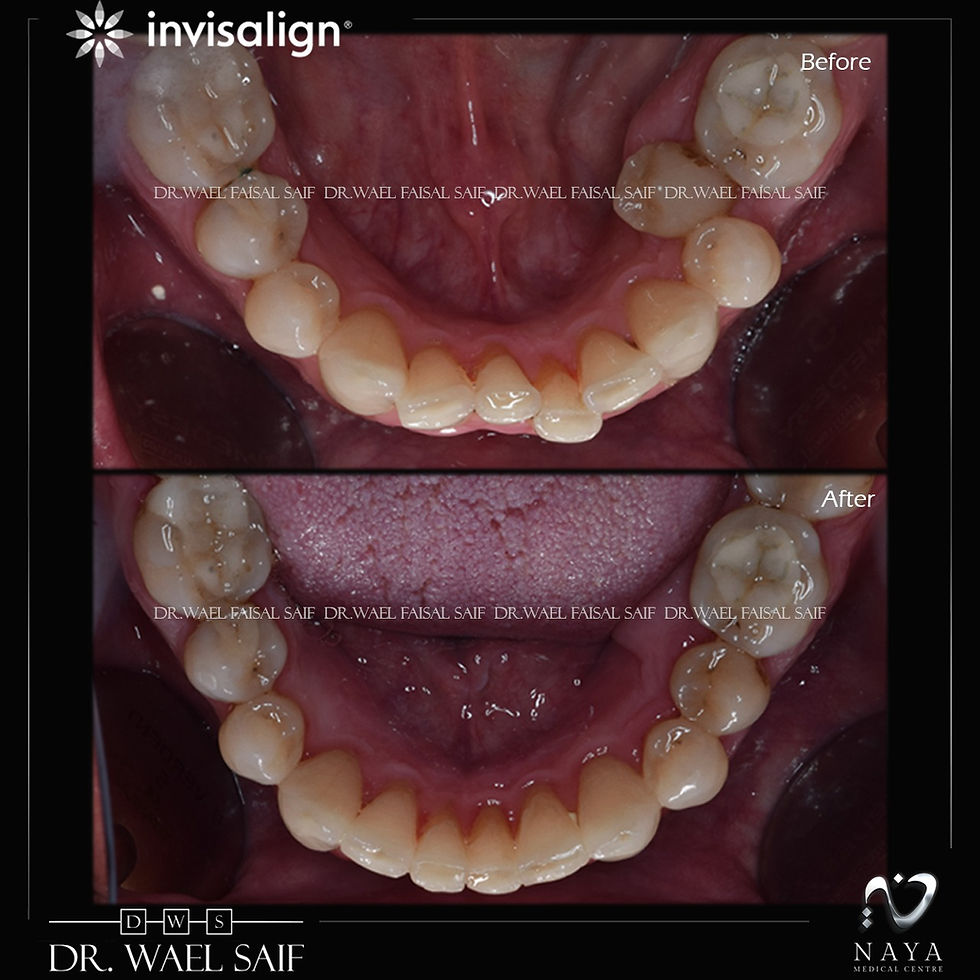
It also means having the broader dental team available if the wisdom tooth is part of a bigger plan. Some patients discover wisdom tooth issues during Invisalign screening, cosmetic smile planning, or routine cleanings. Coordinated care reduces delays and keeps your overall oral health on track.
If you are looking for a modern clinic environment with specialist-led dental services and a strong comfort-and-safety focus, Naya Medical Centre is one option in Muscat where patients can be assessed and guided through the appropriate type of extraction based on clinical need.
A realistic way to think about timing
Many adults hesitate because symptoms come and go. The tooth hurts for a week, then settles down, which makes extraction feel optional. The trade-off is that repeated flares can mean repeated inflammation and progressively more challenging hygiene around that area.
If your wisdom tooth has caused multiple episodes of infection or if you cannot clean it well, planning the extraction proactively often leads to a smoother experience than waiting for an emergency. On the other hand, if a wisdom tooth is fully erupted, stable, and easy to keep clean, removal may not be urgent and monitoring can be reasonable.
The most patient-friendly approach is an evaluation that respects both sides: no pressure, no scare tactics, and no minimizing your discomfort.
Choosing a wisdom tooth extraction clinic in Muscat is ultimately about confidence - confidence in the clinician’s training, the quality of planning, and the way the team supports you before and after the procedure. When you feel informed and genuinely cared for, the appointment stops being a looming problem and becomes a scheduled step toward feeling normal again.


Comments