


Invisalign timeline week by week
Invisalign treatment works by gradually moving teeth over time, with noticeable changes appearing week after week.
Understanding the Invisalign timeline helps patients know what to expect during each stage of treatment, from the first days of pressure to visible smile improvements after several months.
What to Expect During the First Week

The first week of Invisalign is usually an adjustment period as your teeth and mouth adapt to the new aligners.
Most patients experience mild pressure or tightness, especially during the first 2–3 days, which is a normal sign that the aligners are working to move your teeth.
Studies and clinical guidance note that discomfort often decreases significantly by day 7.
Common Experience | Day / Stage |
Tight feeling when wearing aligners for the first time | Day 1 |
Mild soreness or pressure while chewing or removing trays | Days 2–3 |
Mouth starts adjusting, and discomfort begins to reduce | Days 4–5 |
Aligners feel more natural, and the daily routine becomes easier | Days 6–7 |
Normal First Week Symptoms
Mild tooth pressure
Slight speech changes or lisp
Extra saliva at first
Minor gum or cheek irritation
Sensitivity when removing aligners
Tips
Tips for a Smoother First Week
Wear aligners 20–22 hours daily
Switch trays at night when advised
Use cold water and soft foods if your teeth feel sore
Remove and insert aligners gently
Contact your dentist if pain is severe or aligners do not fit properly
Week 2 to Week 4 Invisalign Changes

The Invisalign journey progresses gradually, with each week building on the previous stage. While results vary depending on the case and patient compliance, the table below explains the common changes many patients may experience throughout treatment.
What Usually Happens | Time Period |
Teeth begin responding to gentle pressure. You may feel tightness, mild soreness, extra saliva, or slight speech changes while adjusting to the aligners. | Week 1 |
Discomfort usually decreases. Wearing and removing aligners becomes easier, and your mouth starts adapting to the routine. | Week 2 |
Teeth continue moving into planned positions. Aligners often feel looser near the end of the tray cycle. | Week 3 |
First, subtle visible changes may appear, especially in spacing or minor crowding cases. Confidence with the routine improves. | Week 4 |
New aligner sets continue shifting teeth. Bite contact may begin to feel different as alignment improves. | Weeks 5–6 |
More noticeable progress can appear in crowded or spaced teeth. Smile symmetry may begin improving | Weeks 7–8 . |
Mid-treatment adjustments may be reviewed by your dentist. Tooth positions continue refining steadily | Weeks 9–10 |
Many patients notice clearer cosmetic improvement, smoother tooth alignment, and easier cleaning between teeth. | Weeks 11–12 |
Last aligners focus on detailed finishing movements. Retainers are usually recommended after treatment to maintain results. | Final Stage |
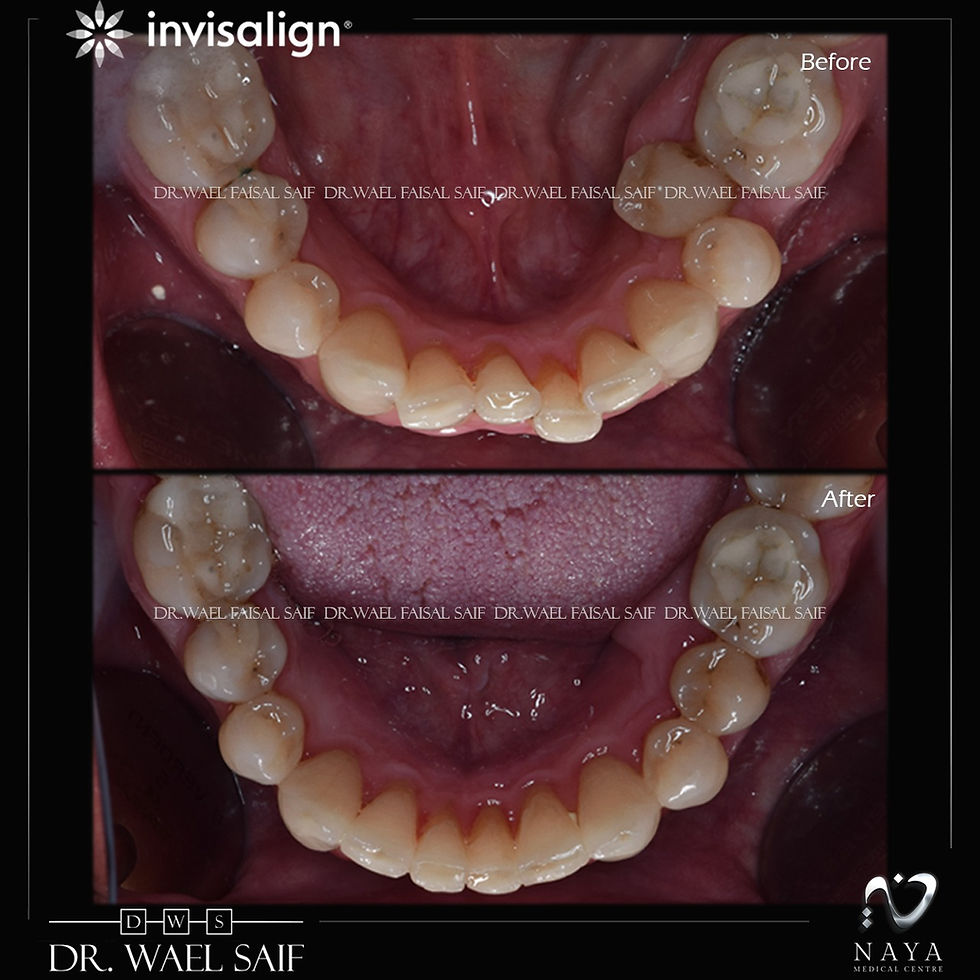
Invisalign Progress After 1 Month
The Invisalign journey becomes more noticeable over time, with gradual improvements in comfort, alignment, and smile appearance.
The table below highlights what many patients may expect after one month and three months of treatment
Invisalign after 3 months | Invisalign after 1 month |
|
|
Factors That Affect Invisalign Timeline
Common Invisalign Symptoms During Treatment
When Do Invisalign Results Start to Show?

Most patients begin noticing small tooth movements within the first 4–6 weeks. More visible alignment improvements usually appear after 2–3 months, depending on the complexity of the case and patient compliance
FAQ
What Is the Hardest Week of Invisalign?
The first week of Invisalign is usually the hardest because the teeth and mouth are adapting to aligner pressure.
Most patients experience mild soreness, tightness, or speech changes during the first few days before gradually adjusting
What’s the Shortest Time for Invisalign?
The shortest Invisalign treatment time depends on the severity of the dental issue and the patient's adherence to instructions. In some cases, treatment can be completed in just a few months.
Why Choose Naya Medical Center for Invisalign?
Advanced orthodontic specialization: Treatments are managed by orthodontists with deep clinical experience in complex alignment cases, not general dental practice only.
Case-based treatment planning: Each Invisalign plan is designed after a detailed analysis of bite dynamics, not just tooth position.
Precision-driven adjustments: Continuous monitoring ensures micro-adjustments are made at the right stages for predictable results.
Experience with diverse clinical cases: From mild spacing to advanced bite correction, the medical team has handled a wide spectrum of alignment challenges.
Outcome-focused approach: Every step is designed around achieving functional and aesthetic balance, not just cosmetic alignment.
Structured clinical supervision: Treatment is guided through a disciplined orthodontic protocol to ensure stability and long-term results.
Ready to Start Your Invisalign Journey?
At Naya Medical Center, our orthodontic specialists create personalized Invisalign treatment plans designed around your smile goals and bite condition.
Book your consultation today and discover what your Invisalign timeline may look like


Comments