


Is Invisalign Worth It? A Clear Decision Guide
You can usually tell when someone is on Invisalign - not because you see the aligners, but because you notice the habits: they excuse themselves to rinse after coffee, they keep a small case nearby, and they’re weirdly consistent about timing. That’s the real trade-off behind clear aligners. The question isn’t only “will it work?” It’s “will I actually do what it takes - and will the outcome feel worth the money and effort?”
Is Invisalign worth it for most adults?
For many adults, Invisalign is worth it when three things line up: your bite and alignment concerns are a good match for clear aligners, you want a more discreet option than braces, and you can commit to wearing aligners as prescribed (often 20-22 hours per day).
If you’re looking for a low-visibility treatment that fits a professional lifestyle, travel, and social events, aligners can be a strong value even if the price is similar to braces. But if you know you’ll struggle with consistency, or you have complex bite issues that require very detailed tooth movements, Invisalign may be less “worth it” than a more fixed option - or it may require a hybrid approach under a specialist.
Worth is personal, but orthodontic outcomes aren’t. Teeth move predictably when biology, planning, and compliance all cooperate.
What you’re really paying for
People often compare Invisalign and braces like they’re just two different products. In reality, the biggest cost drivers are the clinician’s expertise, the complexity of your case, the number of aligners needed, and the amount of monitoring and refinement required.
You’re also paying for detailed digital planning. Invisalign treatment is mapped step-by-step, and the aligners are fabricated to follow that plan. The plan can be excellent and still need adjustments as your teeth respond in real life, which is why follow-up visits matter. When Invisalign feels “worth it,” it’s usually because the plan was thoughtful, the monitoring was tight, and refinements were handled proactively - not because the trays were invisible.
It also helps to remember that orthodontics is not only cosmetic. A more stable bite can reduce uneven tooth wear and make cleaning easier, which can support long-term oral health. That’s a different type of value than “straight teeth for photos,” and for many adults it’s the value that lasts.
Comfort and lifestyle: where Invisalign can shine
Most patients describe Invisalign as more comfortable than traditional braces overall, but it isn’t sensation-free. Expect pressure for a day or two when you switch to a new aligner - that pressure is often a sign the trays are doing their job. You may also have short-term irritation early on as your mouth adapts.
Where Invisalign often earns its reputation is daily life:
Eating is simpler because you remove the aligners. There’s no “braces diet” of avoiding sticky or hard foods. That can matter for people who entertain clients, have a busy family schedule, or simply don’t want food restrictions.
Oral hygiene is usually easier than with braces. You can brush and floss normally, which is a major benefit for adults who are prone to gum inflammation or who are investing in cosmetic dental work.
Aesthetics are a real advantage. If you’re in meetings all day or you’re frequently photographed, the discreet look can be worth the premium by itself.
That said, Invisalign only stays discreet if it stays clean. If you sip sugary drinks with aligners in, or you don’t brush before reinserting them, the trays can stain and odors can develop. Comfort and convenience still require good habits.
The compliance question: the dealbreaker for “worth it”
Invisalign is not a passive treatment. It’s a partnership.
If you’re diligent about wear time, Invisalign can be highly effective. If you’re not, teeth can track off the plan. That can mean longer treatment, additional refinement aligners, or less precise results.
A good way to decide whether Invisalign is worth it for you is to look honestly at your daily routine. Do you snack frequently? Do you drink coffee throughout the morning? Do you have long workdays where you may forget to put aligners back in after lunch? None of these disqualify you, but they do change the effort level.
For some patients, braces end up being “worth it” simply because they remove the daily decision-making. Fixed appliances don’t rely on willpower. Invisalign relies on yours.
Results: what Invisalign can and cannot do well
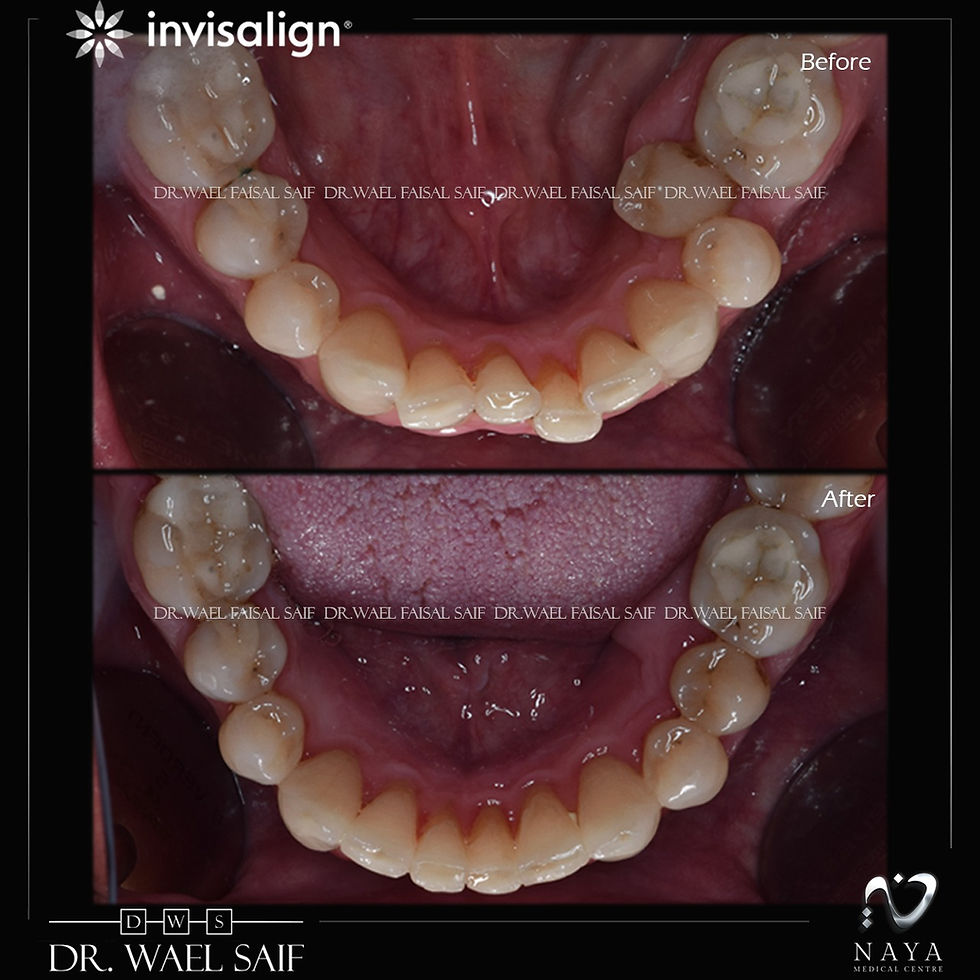
Invisalign can address a wide range of concerns, including crowding, spacing, mild to moderate bite problems, and relapse after past orthodontic treatment. Many adults are in the relapse category - they had braces as teens, stopped wearing retainers, and now want a more subtle reset.
Complexity is where you need a specialist’s judgment. Certain tooth movements can be more challenging with aligners alone, especially if the bite is significantly off or if the case requires major vertical changes. Invisalign can still be appropriate in advanced cases, but it may require attachments (small tooth-colored bumps that help grip the aligner), elastics, or a longer refinement phase.
The most reliable predictor of a satisfying outcome is not “aligners vs braces.” It’s a precise diagnosis and a plan that fits your bite, jaw relationships, gum health, and cosmetic goals.
Cost and value: a practical way to think about it
Costs vary widely by region and case complexity, so it’s hard to give a meaningful single number. Instead, it’s more helpful to evaluate value with questions that reveal what’s included.
Ask whether the quote includes refinement aligners if needed. Invisalign treatment often involves a finishing phase to perfect alignment and bite. When refinements are expected and planned for, the process tends to feel smoother.
Ask what type of retention is included after treatment. Retainers are not optional if you want results to last. The “worth it” calculation should include your long-term maintenance plan.
Ask how often you’ll be monitored and who is managing your case. Invisalign results depend on both the technology and the clinician’s orthodontic judgment.
Also consider opportunity cost. Adults often choose Invisalign because they don’t want the social friction of braces. If looking and feeling like yourself during treatment reduces stress and helps you stay consistent, that has value - especially for professionals.
The hidden costs: time, touch-ups, and habits
Even with excellent compliance, orthodontics takes time. Some cases move quickly, but many adult cases involve a steady timeline with small changes building toward the final result. If you’re hoping for a dramatic transformation in a few months, you may be disappointed.
There can also be “maintenance moments.” Attachments can occasionally pop off. You may need extra visits if teeth aren’t tracking perfectly. If you travel frequently, you’ll want a plan for aligner changes and check-ins.
Then there’s the habit shift. Invisalign works best when you’re willing to be consistent about brushing, keeping aligners clean, and protecting them from heat or loss. If you lose trays often, the treatment can become frustrating and expensive.
Who tends to be happiest with Invisalign
In practice, the patients most satisfied with Invisalign often share the same profile. They care about aesthetics and convenience, they have a routine that supports wear time, and they’re motivated by a specific outcome like closing gaps, reducing crowding, or improving symmetry.
They also tend to have realistic expectations. Invisalign can create beautiful changes, but “perfect” is not always necessary to feel a major confidence upgrade. Many adults want a smile that looks balanced and natural - not over-engineered.
When braces or other options may be the better value
Invisalign may be less worth it if you know compliance will be a struggle, or if your case is highly complex and your orthodontist believes fixed braces will give more precise control. In those situations, braces can be the more efficient route to a stable bite.
Also, if you’re in a life season where you can’t manage frequent removals - long shifts, unpredictable schedules, or caregiving days where you’re constantly snacking with kids - braces can reduce friction.
The best orthodontic option is the one you can successfully complete.
How to make the decision confidently
A high-quality consultation should feel diagnostic, not sales-driven. You should leave understanding what’s happening with your bite, what outcomes are realistic, and what the plan is if your teeth don’t track perfectly.
It’s reasonable to ask to see your projected tooth movement plan and to discuss whether you may need attachments, elastics, or refinements. You should also ask about gum health and cavity risk before starting - straightening teeth on top of untreated inflammation or decay is rarely a good idea.
If you’re considering treatment while living in Oman or traveling through the region, clinics that combine orthodontics with comprehensive dentistry can be helpful because cleanings, restorations, cosmetic dentistry, and aligner care can be coordinated. At Naya Medical Centre, Invisalign care sits alongside specialist-led dental services in a modern, comfort-focused setting, which many busy adults and families appreciate when they want one coordinated plan for both health and aesthetics.
A simple litmus test
If you want discreet treatment, you’re ready to wear aligners consistently, and your case is appropriate for clear aligners under a qualified clinician, Invisalign is often worth it. If you’re hoping the trays will work with minimal effort, or your bite needs more complex correction than aligners can predictably deliver, you’ll likely feel better choosing a fixed option or a specialist-guided hybrid plan.
Your smile is something you carry into every meeting, photo, and conversation. The best choice is the one that fits your life well enough that you’ll actually finish - and enjoy the result when you do.


Comments