


What to Expect at a Smile Makeover Consult
- Jan 28
- 6 min read
You can usually tell when someone has been thinking about their smile for a while. They don’t necessarily want a “Hollywood” result—most people in Muscat ask for something quieter: teeth that look healthy, even, and natural in photos, at work, and in daily conversation. If that’s you, the most valuable first step isn’t choosing veneers or searching for whitening kits. It’s booking a cosmetic dentistry consultation Muscat patients can use to get clarity, realistic options, and a plan that fits their face, lifestyle, and budget.
Why a cosmetic consultation is different from a regular dental visit
A routine dental check focuses on health: cavities, gum condition, old fillings, and the stability of existing work. A cosmetic visit still checks those fundamentals, but the conversation expands into proportion, symmetry, tooth display when you talk, and what looks “right” for your age and facial features.
That difference matters because cosmetic dentistry is never just one isolated procedure. Whitening will look great—unless old bonding doesn’t match afterward. Veneers can be transformative—unless the bite isn’t stable. Invisalign can align teeth—unless gum inflammation is making the teeth more vulnerable. A well-run consultation connects these dots early so you don’t spend time or money on steps that have to be redone.
The goals you bring in shape the plan you leave with
Most people come in with a few specific concerns: stains, chips, uneven edges, gaps, crowding, or a “small teeth” look. What you might not realize is that two patients can describe the same problem and need totally different solutions.
For example, “my teeth look short” could be wear from grinding, gum coverage, or simply tooth shape. “I want whiter teeth” might mean surface staining that responds well to whitening—or deeper discoloration that needs a different approach. A consultation works best when the dentist listens for the real goal underneath the request: do you want a brighter smile for an upcoming event, or a long-term change that holds up over years?
A quick self-check before you book
If you’re not sure what you want, you’re not behind—you’re normal. It helps to think about three things before your appointment: when you notice your smile most (photos, meetings, close-up conversations), what you’re hoping to change (color, alignment, shape, gumline), and how quickly you need results. That’s enough to start.
What happens during a cosmetic dentistry consultation in Muscat
A quality consultation is structured, but it shouldn’t feel rushed. Expect a clear sequence that moves from health and function to aesthetics.
1) A clinical exam and gum health screening
Cosmetic work lasts longer on healthy gums. Your dentist will check for inflammation, recession, bleeding, and pocket depths where appropriate. If gums need attention first, that’s not a “delay”—it’s how you protect your investment.
2) Bite evaluation (the part many patients overlook)
Your bite influences everything from chipping to sensitivity. If you clench or grind, veneers and bonding may need protective planning, such as night guards or materials chosen specifically for durability. The goal is a smile that looks refined and also behaves well when you chew, talk, and sleep.
3) Photos, scans, and X-rays when indicated
Modern cosmetic planning relies on accurate records. Photos help evaluate tooth display and symmetry. Digital scans provide precise measurements for aligners, veneers, or crowns. X-rays may be needed to check roots, existing restorations, and bone levels. This is where “state-of-the-art equipment” stops being marketing language and starts being practical: better records usually mean better-fitting, more predictable results.
4) Shade analysis and smile design discussion
A skilled dentist won’t push the brightest possible shade by default. The best smiles in real life tend to match skin tone, age, and the natural gradient that real teeth have. You’ll talk about how white is “too white” for you, whether you want softer edges or a sharper look, and how much tooth you want to show at rest and when smiling.
The most common options you’ll hear—and when each makes sense
Cosmetic dentistry isn’t a menu where one item fits every case. The right recommendation depends on tooth structure, enamel quality, crowding, and your timeline.
Whitening (when your teeth are healthy and you want a visible lift)
Professional whitening is often the simplest way to refresh a smile. It works well for generalized yellowing or external staining. Trade-off: whitening won’t change the color of crowns or fillings, and sensitivity can happen—usually temporary, but worth planning around.
Bonding (when you want conservative changes)
Composite bonding can reshape chipped edges, close small gaps, or even out minor asymmetries. It’s conservative and can often be done quickly. Trade-off: bonding can stain over time and may chip if you grind or bite hard objects, so longevity depends on habits and bite forces.
Veneers (when shape and color both need a bigger change)
Veneers can address tooth shape, spacing, and color in one cohesive result. They’re often chosen when teeth are worn, uneven, or resistant to whitening. Trade-off: veneers require careful planning to keep the result natural and to preserve tooth structure. They also demand excellent hygiene and regular follow-up.
Crowns (when strength is part of the cosmetic problem)
If a tooth has significant breakdown, large old fillings, cracks, or root canal history, a crown can be both restorative and cosmetic. Trade-off: crowns are a more comprehensive restoration, and good margins and gum health are essential for a clean, long-term look.
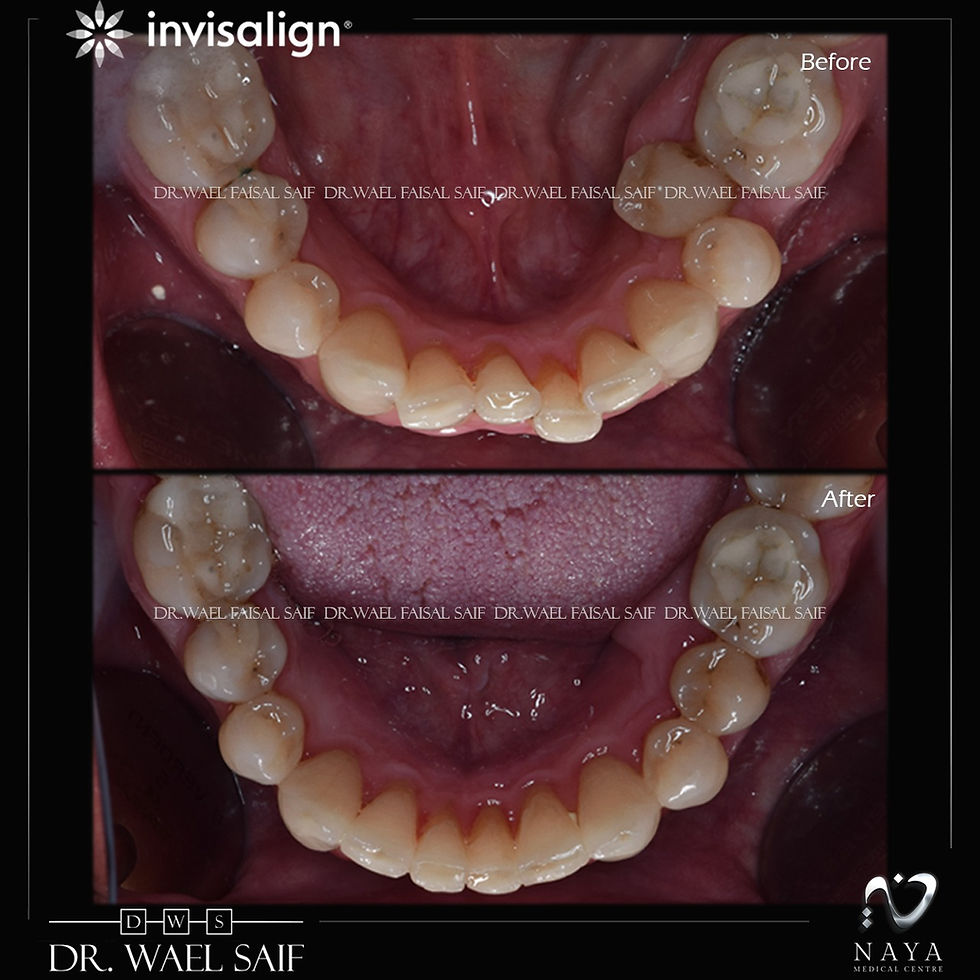
Invisalign or other clear aligners (when alignment is the foundation)
If crowding, spacing, or bite imbalance is the real driver, aligners can set up everything else. Straightening first can reduce how much enamel needs to be altered for veneers or bonding later. Trade-off: it takes time and consistency, and not every case can be treated with aligners alone.
Gum contouring (when the gumline changes the whole smile)
Sometimes the teeth are fine—the gumline isn’t. Contouring can create a more even frame for your teeth. Trade-off: candidacy depends on biology and the amount of gum tissue and bone support; it’s not a one-size procedure.
Questions that lead to better decisions (and fewer regrets)
Patients often feel they should “know what to ask.” You don’t. Still, a few direct questions can protect your outcome.
Ask what the dentist would recommend if you wanted the most conservative option first. Then ask what changes if you prioritize speed. Finally, ask what your maintenance will look like a year from now—cleanings, polishing, retainer wear, night guards, or replacement timelines.
Also ask to see examples of similar cases, not just the most dramatic transformations. The best proof is work that matches your starting point and your goal: natural, balanced, and appropriate.
Timelines: what’s realistic for professionals and families
Working professionals in Muscat often want minimal disruption. Parents often want coordination—orthodontics for teens, whitening or alignment for themselves, all in one center.
Some improvements are fast: whitening or minor bonding may be done in one or two visits. Others require planning and sequencing: aligners may take months, and veneers or crowns may include design, temporary phases, and final delivery.
A consultation should give you a timeline you can actually use—key appointments, expected milestones, and what needs to happen before cosmetic work begins (like cleanings, gum treatment, or replacing old restorations).
Comfort, anxiety, and the “human” side of cosmetic dentistry
Cosmetic concerns are personal. Many patients worry they’ll be judged for wanting aesthetic improvements. A patient-first clinic won’t treat this like vanity; it will treat it like confidence and quality of life.
If you’re nervous about dental visits, say so early. Comfort options, a calm pace, clear explanations, and a clean, modern environment make a measurable difference—especially when a treatment plan spans multiple visits.
Choosing where to book: what to look for in Muscat
In a city with many choices, focus on three signals: specialist involvement when needed (orthodontics for aligners, prosthodontic-level planning for complex restorations, surgical expertise for challenging cases), modern diagnostics (digital scans and imaging that support precision), and a track record you can verify through clinician credentials and case experience.
If you want a single destination that blends oral health and aesthetic planning under one roof, you can schedule a consultation at Naya Medical Centre, where specialist-led dentistry and modern equipment support both comfort and predictable cosmetic outcomes.
The consultation is a planning appointment—not a sales pitch
A strong cosmetic dentistry consultation should leave you with options, not pressure. You should understand what’s possible, what’s advisable, and what could be postponed. You should also understand the trade-offs: durability versus speed, conservative changes versus dramatic ones, maintenance expectations, and how your bite and gum health affect longevity.
The best moment to move forward is when the plan feels medically sound and personally right—because the goal isn’t a “perfect” smile on day one, it’s a smile you’ll still feel good about when the novelty wears off and it’s simply yours.


Comments