


Invisalign Process: Step-by-Step Guide to Your Perfect Smile
Updated: Apr 12
If you're wondering what the Invisalign process looks like, think of it as a carefully designed roadmap—where each aligner represents a small, precise step toward perfectly aligned teeth.
Unlike traditional braces, Invisalign uses advanced digital technology to plan every stage of your treatment, ensuring gradual, safe, and predictable tooth movement without affecting your daily lifestyle.
In this guide, you’ll discover how the Invisalign process works, step by step.
invisalign process

In this article, we highlight the key aspects of Invisalign treatment innovatively, moving beyond the traditional pros and cons.
The table below summarizes the essential elements of the treatment, from digital planning to final results, with a focus on flexibility and seamless integration into daily life.
Invisalign | Invisalign offers a modern, nearly invisible alternative to traditional braces, combining technology and comfort for a personalized orthodontic journey. |
Digital Planning | Every treatment starts with a 3D scan and digital simulation, allowing patients to visualize the final smile before starting. |
Treatment Adaptability | Aligners can be adjusted based on progress, patient comfort, and unexpected dental changes, offering flexibility throughout treatment. |
Patient Commitment | Success depends heavily on compliance—wearing aligners 20–22 hours daily and following the orthodontist's guidance is crucial. |
Expected Outcome | Gradual, safe teeth movement ensures natural-looking results with minimal discomfort. |
Monitoring & Follow-Up | Regular check-ups allow for personalized adjustments, ensuring the treatment stays on track and efficient. |
How Does the Invisalign Process Work?
The Invisalign process offers a complete, modern orthodontic experience that combines digital technology with everyday comfort. The table below highlights the key steps and how each stage contributes to gradually achieving a perfectly aligned smile.
Step | Key Insight | Why it Matters |
Initial Assessment | An orthodontist examines teeth, bite, and oral health; 3D scans create a precise model. | Ensures Invisalign is suitable and allows for accurate planning. |
Digital Treatment Plan | Customized plan shows step-by-step teeth movement; patients can preview results | Provides predictability and sets expectations. |
Aligner Fabrication | Clear aligners are manufactured based on the digital plan, each designed to move teeth gradually. | Guarantees precise and safe tooth movement. |
Wearing & Switching Aligners | Aligners worn 20–22 hours/day, changed every 1–2 weeks. | Consistent wear ensures treatment progresses as planned. |
Treatment Duration | Typically 6–18 months, depending on the complexity of dental issues and patient compliance | Gives patients a clear idea of the timeline and expectations. |
Retention Phase | After the final aligner, a retainer maintains the teeth's position and prevents relapse | Preserves results and ensures a long-lasting smile. |
How to speed up the Invisalign process?
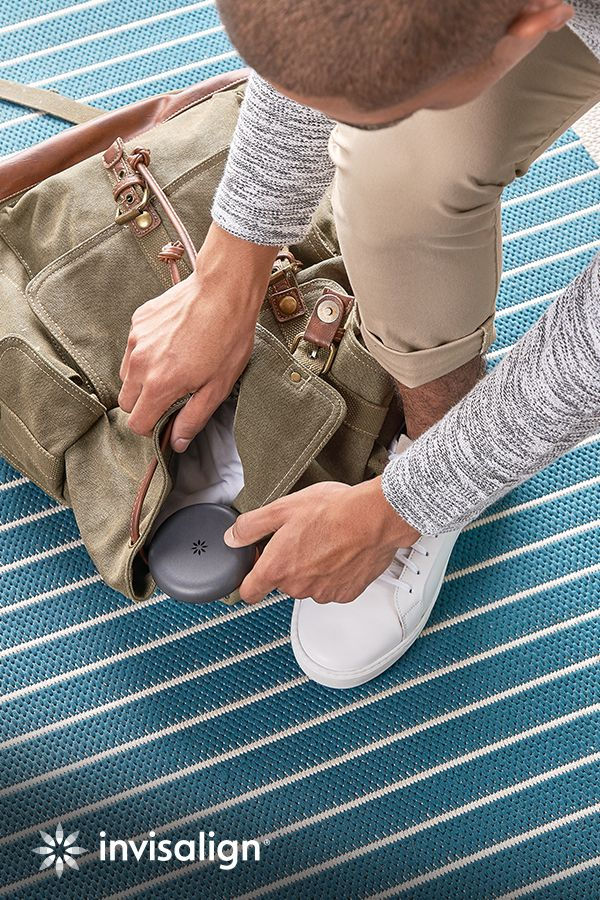
While Invisalign treatment follows a planned orthodontic timeline, certain habits can help ensure the treatment progresses as efficiently as possible.
Wear aligners consistently
Aligners should be worn 20–22 hours per day. Removing them frequently can slow tooth movement and extend treatment time.
Change aligners as instructed
Follow your orthodontist’s schedule for switching to the next aligner, usually every 1–2 weeks, to maintain steady progress.
Maintain excellent oral hygiene
Clean teeth and aligners regularly to prevent plaque buildup, which can interfere with proper fit and treatment effectiveness.
Attend regular orthodontic check-ups
Follow-up visits allow the orthodontist to monitor progress and adjust the treatment plan if needed.
Use orthodontic chewies if recommended
These small silicone tools help seat the aligners properly on the teeth, improving the efficiency of tooth movement.
Avoid damaging or losing aligners
Always store aligners in their case when removed to prevent delays caused by replacements.
How do I maintain results after the end of the Invisalign process?
To maintain your results, it’s essential to wear retainers as recommended by your orthodontist, usually at night.
Maintain good oral hygiene, attend regular follow-ups, and avoid habits that can shift teeth, such as chewing hard objects or nail-biting.
Consistent care ensures your smile stays aligned long-term.
Frequently Asked Questions
What foods should I avoid with Invisalign?
You should avoid eating or drinking anything (except water) while wearing Invisalign aligners. Hard, sticky, or sugary foods can damage the aligners or affect oral hygiene if consumed without removing them.
What is the hardest part of Invisalign?
The most challenging part is maintaining the discipline to wear the aligners 20–22 hours per day and removing them only for eating, drinking, and oral care.
What is the 48-hour rule for Invisalign?
The 48-hour rule means that when you switch to a new aligner, you should wear it continuously for the first 48 hours, removing it only for meals and brushing, to help your teeth adjust quickly to the new aligner
Why Book Your Invisalign Consultation at Naya Medical Center?
Expert Orthodontics Specialist: Your treatment is overseen by Dr. Wael Saif, a highly distinguished orthodontist with a proven track record of excellence with 15+ Years of Experience: A specialist in straightening teeth and creating perfect smiles and Over 10 years of experience specifically using Invisalign and clear aligners, He was one of the first specialists in Oman to offer clear aligner treatments.
Immediate Digital Scan: Get a fast 3D scan of your teeth to visualize your future smile instantly.
Step-by-Step Roadmap: Receive a clear treatment timeline showing each stage of tooth movement.
Optimized Efficiency: Our approach focuses on speedy yet safe results for noticeable changes early on.
Personalized Comfort: Aligners and procedures tailored to reduce pressure and enhance adaptation.
Transparent Progress Updates: Track your results digitally after each aligner stage.
Motivation Boost: Early visible improvements keep you engaged and confident during treatment.
Start Your Invisalign Journey Today
Take the first step toward a straighter, more confident smile with Invisalign at Naya Medical Center
Sources and References


Comments