


invisalign pros and cons
Updated: Apr 12
Invisalign is one of the most popular options among adults and young people seeking a well-aligned smile in a comfortable and nearly invisible way.
It is an ideal choice that combines modern technology with ease of use, but like any treatment, it has its pros and cons, which we will explore in this article.
Why Choose Invisalign for Teeth Treatment?
Invisalign has become the ideal choice for those seeking a well-aligned smile in a comfortable and nearly invisible way. The following table highlights the main pros and cons of this treatment, along with tips to ensure the best results.
What is Invisalign? | A nearly invisible orthodontic treatment that uses removable plastic aligners to gradually move teeth into proper alignment. |
Pros of Invisalign | Nearly invisible, ideal for aesthetics- Removable during eating and oral care- More comfortable than traditional braces- Reduces gum and tooth irritation- Suitable for mild to moderate cases |
Cons of Invisalign | Must be worn 20–22 hours per day- Not suitable for complex cases- May cause mild pressure or discomfort when starting a new aligner- Generally more expensive than some traditional braces |
Treatment Duration | Typically, 6–18 months, depending on the severity of the dental issue and compliance with wearing aligners. |
Pain & Comfort | Mild pressure or soreness occurs during the first few days of each new aligner and usually subsides; soft foods and OTC pain relief can help. |
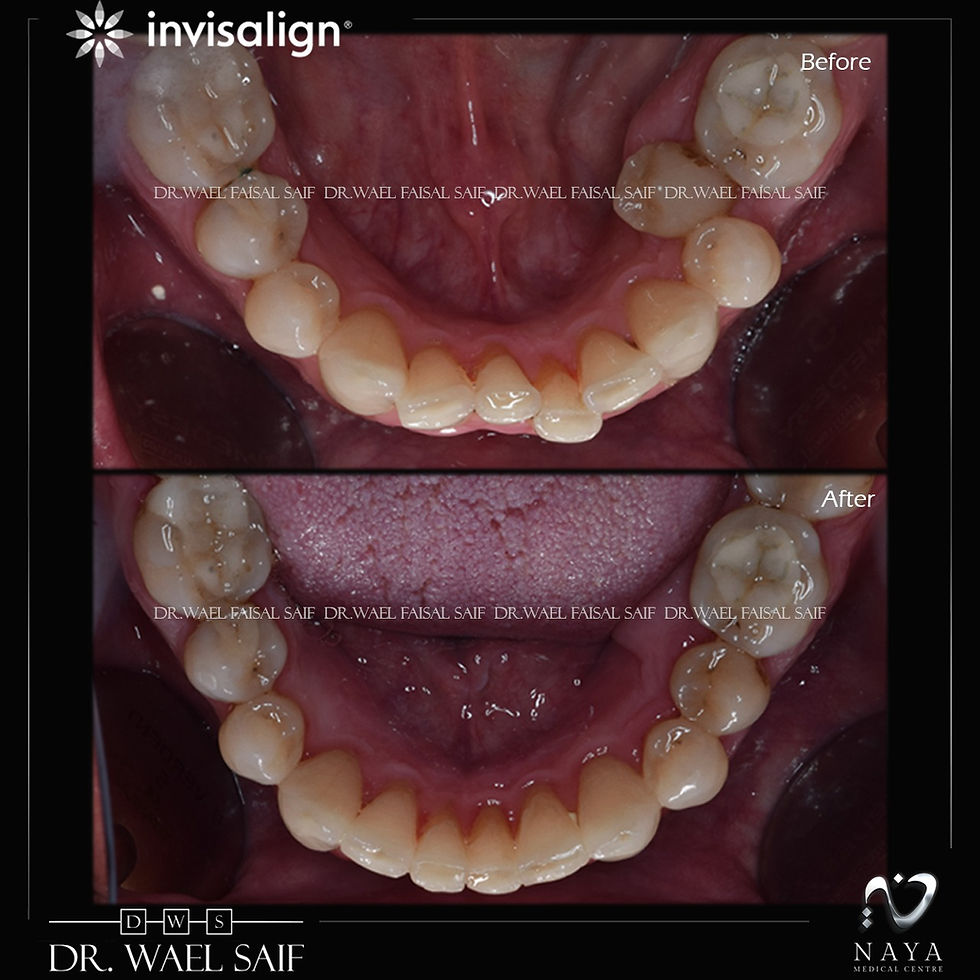
Expected Results | Effective for minor crowding, gaps, and some bite issues, resulting in a natural and well-aligned smile. |
Tips for Successful Treatment | Wear aligners as recommended daily- Maintain excellent oral hygiene- Regular follow-ups with the orthodontist- Replace aligners according to the treatment plan |
braces vs invisalign pros and Cons

Understanding the pros and cons of braces vs. Invisalign can help patients choose the most suitable orthodontic treatment for their needs.
The comparison below explains the main differences between traditional braces and Invisalign in terms of comfort, appearance, effectiveness, and treatment duration.
Factor | Braces (Traditional Braces | Invisalign |
Treatment Method | Uses metal brackets and wires attached to the teeth to gradually move them into position. . | Uses clear, removable aligners to gradually shift teeth into proper alignment |
Visibility | Clearly visible due to metal brackets and wires. | Nearly invisible and difficult to notice when speaking or smiling. |
Effectiveness | Highly effective for complex orthodontic problems and severe bite issues. . | Best for mild to moderate alignment issues and some complex cases |
Removability | Fixed to the teeth and cannot be removed by the patient. | Removable for eating, brushing, and flossing. |
Oral Hygiene | Cleaning teeth can be more difficult due to brackets and wires. | Easier to maintain oral hygiene since aligners can be removed |
Treatment Duration | Usually around 18–24 months, depending on the case. | Typically, 6–18 months for mild to moderate cases |
angel aligner vs invisalign pros and Cons
Both Angel Aligner and Invisalign are clear aligner systems designed to straighten teeth using removable, transparent trays. While they follow a similar orthodontic concept, there are some differences in technology, availability, and clinical use.
Invisalign | Angel Aligner | Factor |
Uses proprietary SmartTrack® material and advanced digital planning to move teeth gradually and precisely. | Uses clear plastic aligners designed with advanced digital treatment planning and often provides multiple aligner sets for different stages | Technology |
Also almost invisible, making it a popular aesthetic option for orthodontic treatment. | Nearly invisible and designed to be discreet during treatment. | Visibility |
Known for high comfort levels due to flexible SmartTrack material. | Smooth plastic aligners designed to reduce irritation and pressure. | Comfort |
Widely studied and used globally for mild to complex cases, depending on treatment planning. | Effective for mild to moderate orthodontic cases, including spacing and crowding. | Effectiveness |
Often more expensive, partly due to brand recognition and extensive technology. | In some regions, it may be slightly more affordable depending on the clinic | Cost |
Backed by extensive clinical research and decades of orthodontic use worldwide. | Growing clinical use, especially in Asia, with increasing research support. | Clinical Evidence |
veneers vs invisalign pros and cons:

Choosing between veneers and Invisalign depends on your dental goals and the type of correction needed. The table below compares the advantages and disadvantages of each option to help you make an informed decision.
Factor | Veneers | Invisalign |
Purpose | Cosmetic treatment that covers the front surface of teeth to improve color, shape, or minor gaps. | Orthodontic treatment that moves teeth gradually to correct alignment and bite problems. |
Results Speed | Immediate results after a few dental visits. | Results appear gradually during treatment, usually 6–18 months. |
Aesthetic Improvement | Excellent for fixing discoloration, chipped teeth, or uneven shapes. | Improves appearance by straightening teeth naturally. |
Tooth Structure | Requires removing a small layer of enamel, which makes the procedure irreversible. | No enamel removal; teeth are moved using removable clear aligners. |
Oral Health Benefits | Mainly cosmetic and does not correct bite or alignment issues. . | Improves bite alignment and oral health, making teeth easier to clean |
Longevity | Usually lasts 10–15 years before replacement may be needed. | Results can last long-term if retainers are used after treatment. |
Comfort & Maintenance | Permanently bonded to teeth and cannot be removed. | Removable aligners allow easier brushing, flossing, and eating. |
Best For | People seeking a fast cosmetic smile makeover. | Patients with crooked teeth, spacing, or mild to moderate bite problems. |
Frequently Asked Questions
How do the braces vs Invisalign pros and cons for adults differ?
For adults, braces are more visible and better for complex cases, while Invisalign is nearly invisible, more comfortable, and ideal for mild to moderate alignment issues.
What is the hardest week of Invisalign?
The first 1–2 weeks of each new aligner tray are usually the most challenging.
During this period, teeth start moving into new positions, causing mild pressure or soreness.
This discomfort typically subsides within a few days as your teeth adjust.
Why do people quit Invisalign?
Patients may discontinue Invisalign due to lack of compliance (not wearing aligners 20–22 hours/day), difficulty keeping up with oral hygiene, impatience with treatment duration, or discomfort from new aligners.
Proper education and regular follow-ups significantly reduce dropouts.
Why Book an Appointment at Naya Medical Center for an Invisalign Consultation?
At Naya, you are in the expert hands of Dr. Wael Saif. He has over 15 years of experience as an orthodontist and was one of the first doctors in Oman to offer clear aligners, with more than 10 years of experience specifically in Invisalign.
Personalized Assessment: Get a detailed evaluation of your teeth and bite to determine whether braces or Invisalign is best for you.
Expert Guidance: Receive professional advice on the pros and cons of each option, tailored to your dental needs.
Customized Treatment Plan: Create a treatment plan that fits your lifestyle, comfort, and aesthetic preferences.
Advanced Technology: Access to modern dental imaging and Invisalign planning tools for precise results.
Follow-Up Support: Continuous monitoring to ensure treatment progress and optimal outcomes.
Schedule your appointment now to find out which orthodontic option suits you best, and visit us at Naya Medical Center in Muscat.
Sources and References


Comments