


Smile Makeover in Muscat: What to Expect
You notice it in photos first: your smile looks smaller than it should, one tooth tilts in a way your eye can’t ignore, or the color doesn’t match how well you take care of yourself. In Muscat, a “smile makeover” isn’t one procedure—it’s a plan. The right plan can be conservative and health-first, or more comprehensive when your goals (and your teeth) call for it.
If you’re searching for a [smile makeover dentist muscat](https://www.naya-mc.com/dental), what you really need is clarity: Which treatments are actually worth doing, what the process feels like, how long it takes, and how to tell the difference between cosmetic marketing and clinically sound dentistry.
What a smile makeover really means (and what it shouldn’t)
A smile makeover is a customized combination of treatments that improves the appearance of your smile while protecting function—how you bite, speak, and chew—and maintaining long-term oral health.
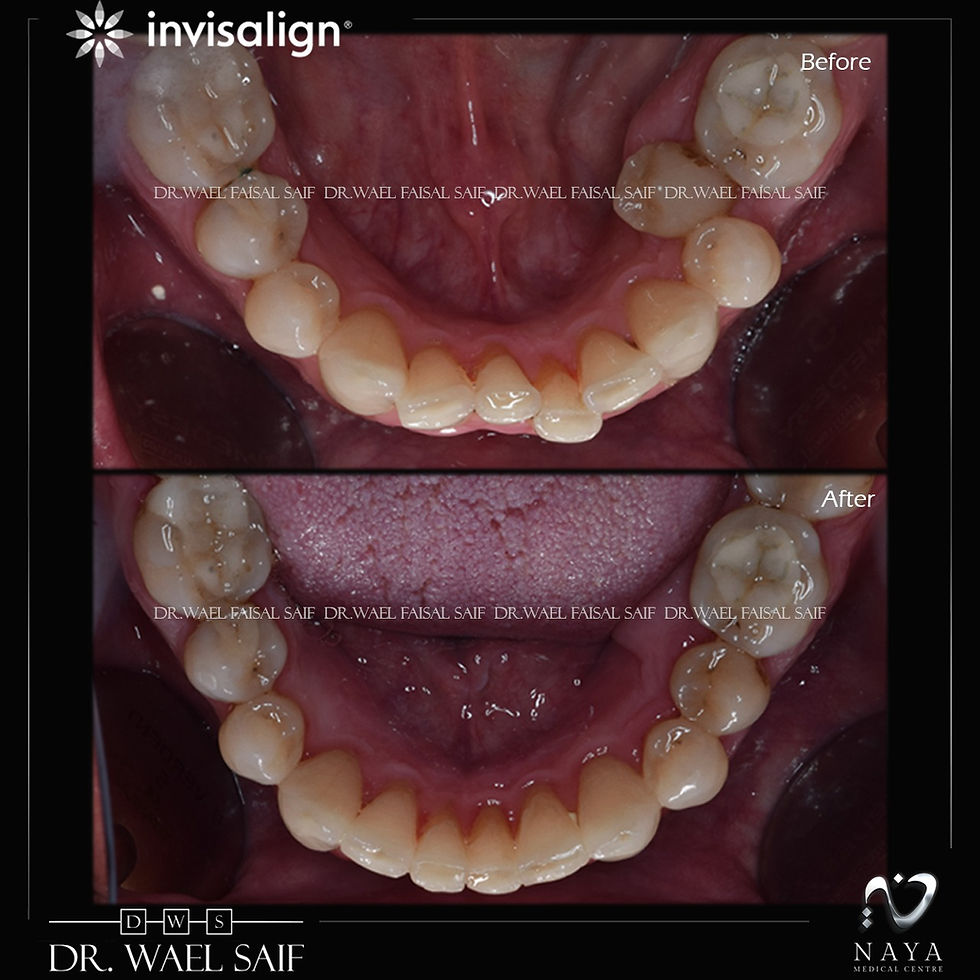
It should never be “veneers for everyone.” For some patients, whitening plus small bonding adjustments is the best result. For others, alignment (often Invisalign) comes first, because straightening teeth can reduce how much enamel needs to be reshaped later. And in cases where old fillings, cracked teeth, or gum inflammation are part of the picture, restorative care may be the foundation before any cosmetic step.
The most reliable approach is comprehensive: assess teeth, gums, bite, jaw joints, and facial proportions, then design the smile around what’s stable and healthy—not just what looks bright on day one.
The consultation: what an expert team looks for
A high-quality smile makeover consult tends to feel more like a medical evaluation than a sales appointment. Your dentist should ask about sensitivity, grinding, headaches, past dental work, and what you dislike about your smile (shape, color, gaps, “gummy” look, uneven edges).
Expect close-up photos and diagnostic imaging. Depending on your needs, you may also be evaluated for gum health and bite relationships—because changing the front teeth without considering the bite can lead to chipping, discomfort, or short-lived results.
You’ll also hear “it depends,” and that’s a good sign. The safest plan depends on enamel thickness, existing restorations, tooth position, gum levels, and lifestyle factors like coffee/tea habits, smoking, and nighttime clenching.
Common smile makeover treatments in Muscat
The best makeovers typically combine a few targeted procedures rather than one dramatic step. Here’s how the main options work in real life.
Professional whitening (often the first, simplest win)
Whitening can dramatically refresh your smile, especially if your main concern is shade rather than shape. It’s also a helpful starting point before veneers or bonding so the dentist can match materials to your brighter baseline.
Trade-off: whitening doesn’t change tooth shape, fix chips, or correct alignment. It can also temporarily increase sensitivity, so a clinician should screen for exposed roots, enamel wear, or untreated cavities first.
Composite bonding (quick shaping with minimal drilling)
Bonding uses tooth-colored resin to adjust edges, close small gaps, smooth chips, and improve symmetry. For many adults, it’s the most conservative “cosmetic upgrade” because it often requires little to no enamel removal.
Trade-off: bonding can stain over time and may chip if you bite your nails, chew ice, or clench. It’s repairable, but it does require maintenance and realistic expectations.
Porcelain veneers (high-impact, highly technique-sensitive)
Veneers are thin porcelain shells bonded to the front of teeth to correct shape, color, and proportion. They can be transformative when teeth are worn, uneven, heavily stained, or when you want a more uniform look than bonding can reliably deliver.
Trade-off: veneers are not a casual decision. Even “minimal prep” veneers may involve some enamel shaping, and once done, you’re committing to ongoing dental care and eventual replacement years down the line. The result is also heavily dependent on planning, bite design, and lab quality.
Crowns (when strength matters more than cosmetics)
If a tooth is cracked, heavily filled, or structurally weak, a crown may be the healthiest way to restore it while improving appearance. In a smile makeover plan, crowns are often used selectively—only where needed for durability.
Trade-off: crowns require more tooth reduction than veneers. They’re the right choice for compromised teeth, but not necessarily the first choice for otherwise healthy enamel.
Invisalign and orthodontics (the makeover that protects enamel)
If your teeth are crowded, spaced, or uneven, aligning them first can reduce the need for drilling later. Invisalign is popular with working professionals because it’s discreet and can fit busy schedules.
Trade-off: alignment takes time, and compliance matters. If you don’t wear aligners as prescribed, timelines stretch and results suffer. Some patients also need bite refinement or retention planning to prevent relapse.
Gum contouring and “gummy smile” correction
Sometimes the teeth aren’t too small—your gumline is just covering more tooth structure than expected, or it’s uneven. Gum contouring (performed with careful periodontal assessment) can balance the frame of the smile.
Trade-off: not everyone is a candidate. The clinician must evaluate gum health, bone levels, and the “biologic width” around teeth to avoid recession or sensitivity.
Sequencing matters: the order can make or break the result
Smile makeovers succeed when the steps are in the right sequence. A common safe order looks like: stabilize gum health and decay first, then consider alignment, then whitening, then final shape changes (bonding/veneers/crowns).
Why? Because you don’t want to place beautiful restorations on inflamed gums, and you don’t want to design veneers for teeth that will move with orthodontics. Good sequencing also helps you stay conservative: once teeth are aligned and the shade is improved, you may need fewer restorations than you expected.
Timelines: how long should you plan for?
Some smile upgrades happen quickly, but a true makeover can be staged.
If you’re doing whitening and minor bonding, the timeline may be measured in days to weeks. Veneers and crowns typically require multiple appointments for planning, preparation, impressions or scans, temporaries, and final bonding.
If Invisalign is part of the plan, think in months rather than weeks. Many adults choose to start orthodontics well ahead of major events (weddings, graduations, professional headshots) so they’re not rushed into irreversible cosmetic work.
Costs: what actually drives the price
Smile makeover pricing in Muscat varies because it’s procedure-based and personalized. The biggest cost drivers are the number of teeth involved, the type of material (composite vs porcelain), lab quality, whether orthodontics or gum procedures are needed, and the complexity of your bite.
A responsible clinic should be transparent: you should receive a written plan with phased options when possible. Many patients appreciate a “good, better, best” approach—starting with the most conservative path that still meets the goal.
How to choose a smile makeover dentist in Muscat
The most important decision isn’t “veneers or Invisalign.” It’s choosing a team that plans like clinicians first and artists second.
Look for a dentist who documents your case properly (photos, scans, x-rays), evaluates gum health and bite, and explains trade-offs without pressure. Ask who will be involved if your case needs multiple specialties—orthodontics for alignment, oral surgery for complex issues, or periodontal care for gum management.
You can also ask to see before-and-after examples of cases similar to yours. Not just the best outcomes—look for consistency: natural proportions, healthy gum contours, and smiles that match the patient’s face rather than an identical “template.”
Finally, pay attention to comfort and cleanliness. A makeover is elective, but it still involves medical procedures. A modern environment, clear sterilization standards, and a team that takes anxiety seriously can change the entire experience.
What to ask at your appointment
You don’t need to speak like a dentist to get a high-quality answer. A few direct questions reveal a lot about the plan:
Ask what’s driving your smile concerns—color, wear, alignment, gumline, or bite—and which issues are cosmetic versus structural. Ask whether your plan preserves enamel whenever possible, and what maintenance will look like in two, five, and ten years. If you grind your teeth, ask how that changes materials or design, and whether a night guard is part of protecting the investment.
If veneers are proposed, ask how the bite will be checked and adjusted, and how the clinic manages shade matching so the result looks natural in daylight, indoor lighting, and photos.
A Muscat-specific advantage: coordinated specialty care
One reason patients in Muscat increasingly pursue smile makeovers is access to coordinated, specialty-led care without turning it into a long, fragmented process. When your dentist can collaborate with orthodontics, oral and maxillofacial expertise, and advanced imaging under one roof, the plan tends to be safer and more efficient—especially when your case includes alignment, gum refinement, or older dental work that needs updating.
If you’re considering care with a modern, specialist-driven team in Muscat, Naya Medical Centre offers comprehensive dentistry alongside Invisalign orthodontics and related specialties, with an emphasis on comfortable, clean treatment and evidence-based planning.
A smile makeover should feel like you’re gaining control—over how you look in photos, how you present at work, and how confident you feel day to day—without sacrificing the health of your teeth to get there. The best next step is simply an evaluation that respects both: your goals and your biology.


Comments